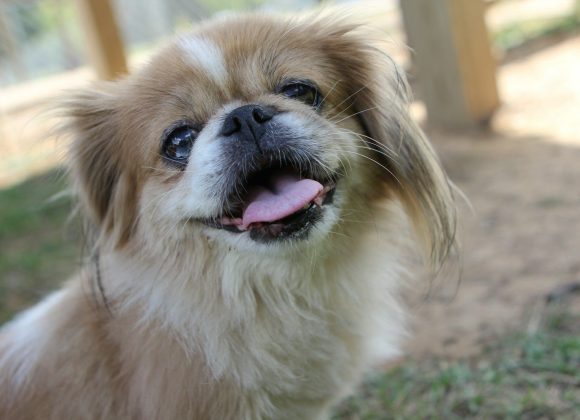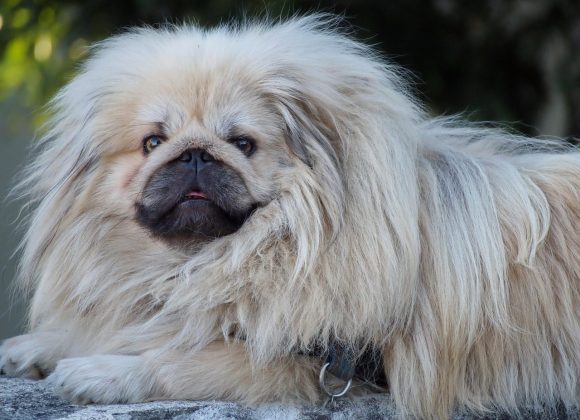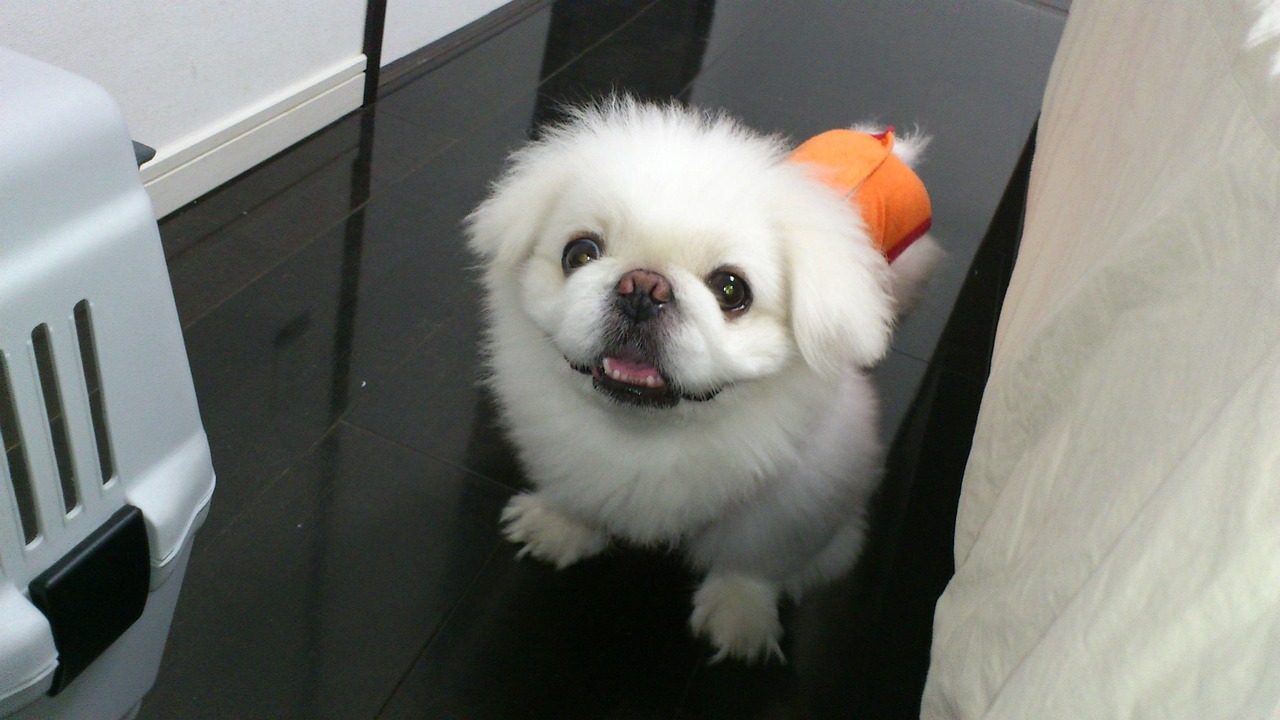
The Pekingese is a small, affectionate breed that can travel in airplane cabins under the right conditions. However, because Pekingese are a brachycephalic (flat-faced) breed, they require extra care when flying. Understanding airline policies, safety risks, and comfort strategies is essential for a smooth trip.
Why Pekingese Dogs Require Special Consideration
Pekingese dogs have short nasal passages, which can make breathing more difficult—especially in stressful or warm environments. This puts them at higher risk during air travel, particularly in cargo holds.
Key Safety Concern:
- Avoid cargo travel whenever possible
Flat-faced breeds are more vulnerable to breathing issues and overheating during flights. Many airlines restrict or discourage transporting them in cargo for this reason. (Explore with Lora)
Best option: Travel in the cabin with your dog.
Airlines That Allow Pekingese Dogs in the Cabin
Many major airlines in the United States allow small dogs like Pekingese to travel in the cabin, provided they meet size and carrier requirements.
Common U.S. Airlines with In-Cabin Pet Policies:
- American Airlines
- United Airlines
- Spirit Airlines
- Allegiant Air
General Rules Across These Airlines:
- Pets must be small enough to fit in a carrier under the seat
- Only one pet per passenger is typically allowed
- A pet fee (often around $100–$150 each way) is required
- The pet must remain in the carrier for the entire flight (Green Matters)
Some airlines also limit the number of pets per flight, so early booking is important.
Carrier and Size Requirements
Your Pekingese must travel in an airline-approved carrier.
Typical Requirements:
- Fits completely under the seat in front of you
- Well-ventilated and secure
- Large enough for your dog to stand, turn, and lie down comfortably (Green Matters)
Example size limits (vary by airline):
- Around 18–19 inches long, 10–13 inches wide, 8–11 inches high (Travelnuity)
Soft-sided carriers are usually recommended because they can compress slightly to fit under seats.
Booking and Documentation Rules
Before Your Flight:
- Reserve a pet spot early (limited availability per flight)
- Confirm your airline’s breed-specific rules for brachycephalic dogs
- Ensure vaccinations are up to date
- Some destinations may require health certificates
At the Airport:
- Pets typically count as a carry-on item
- You may need to remove your dog from the carrier during TSA screening
In-Flight Safety and Comfort Tips
1. Acclimate Your Dog to the Carrier
- Let your Pekingese spend time in the carrier weeks before travel
- Use treats and familiar bedding to reduce anxiety
2. Avoid Sedation Unless Prescribed
- Sedatives can affect breathing and are generally discouraged unless advised by a veterinarian
3. Maintain Comfortable Conditions
- Avoid feeding a large meal right before the flight
- Offer small amounts of water (spill-proof bowl recommended)
4. Choose the Right Flight
- Opt for direct flights to reduce stress
- Fly during cooler times of day to prevent overheating
Additional Safety Considerations for Pekingese
Because of their anatomy, take extra precautions:
- Monitor for signs of breathing distress (panting, wheezing)
- Avoid overly warm environments before boarding
- Never place your dog in overhead compartments or allow the carrier to be obstructed
Long-Term Travel Planning
If you plan to travel frequently with your Pekingese:
- Invest in a high-quality airline-approved carrier
- Train your dog to respond to visual cues and calm commands
- Keep a travel kit (documents, wipes, collapsible bowl, leash)
Final Thoughts
Air travel with a Pekingese dog is very achievable—and often safe—when done correctly. The key is to keep your dog in the cabin, follow airline rules closely, and prioritize comfort at every stage of the journey.
With proper preparation, your Pekingese can travel as a calm and secure companion, making your trip more enjoyable for both of you.
For more information, please visit the following links:
Airlines That Allow Snub-Nosed Dogs in Cabin
Your Dog Can Be the Ultimate Travel Buddy on Your Next Flight