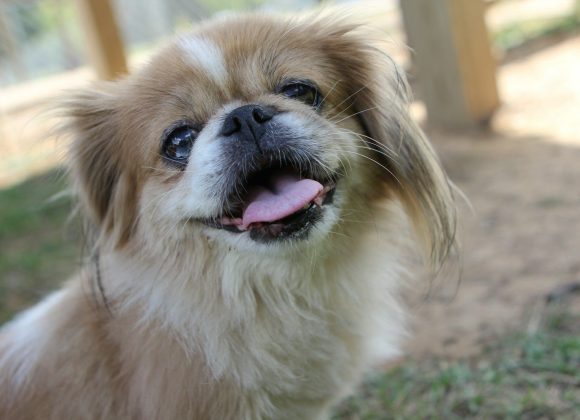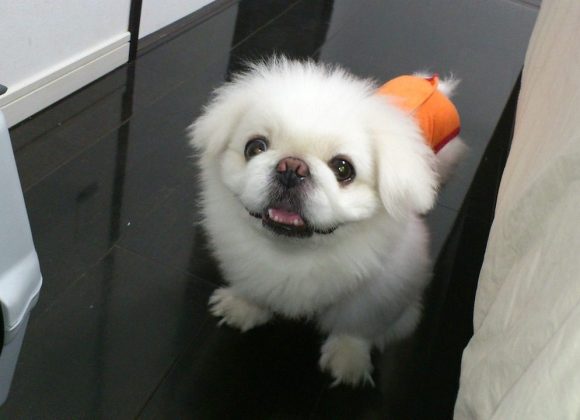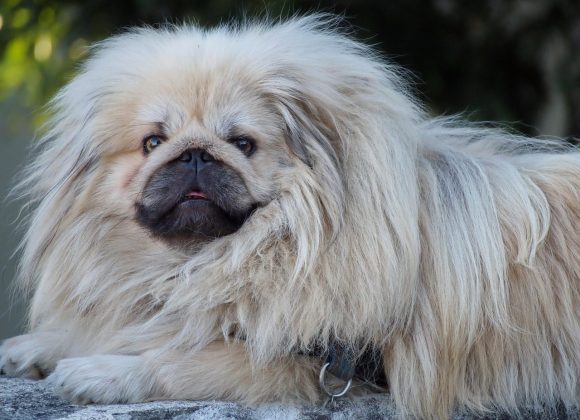
With their flowing coats, lion-like manes, and confident personalities, Pekingese dogs have been charming families for centuries. Originally bred as treasured companions for Chinese royalty, these little dogs still carry themselves with a regal air. While they may be small in size, Pekingese are known for their big personalities, deep loyalty, and strong bonds with the people they love.
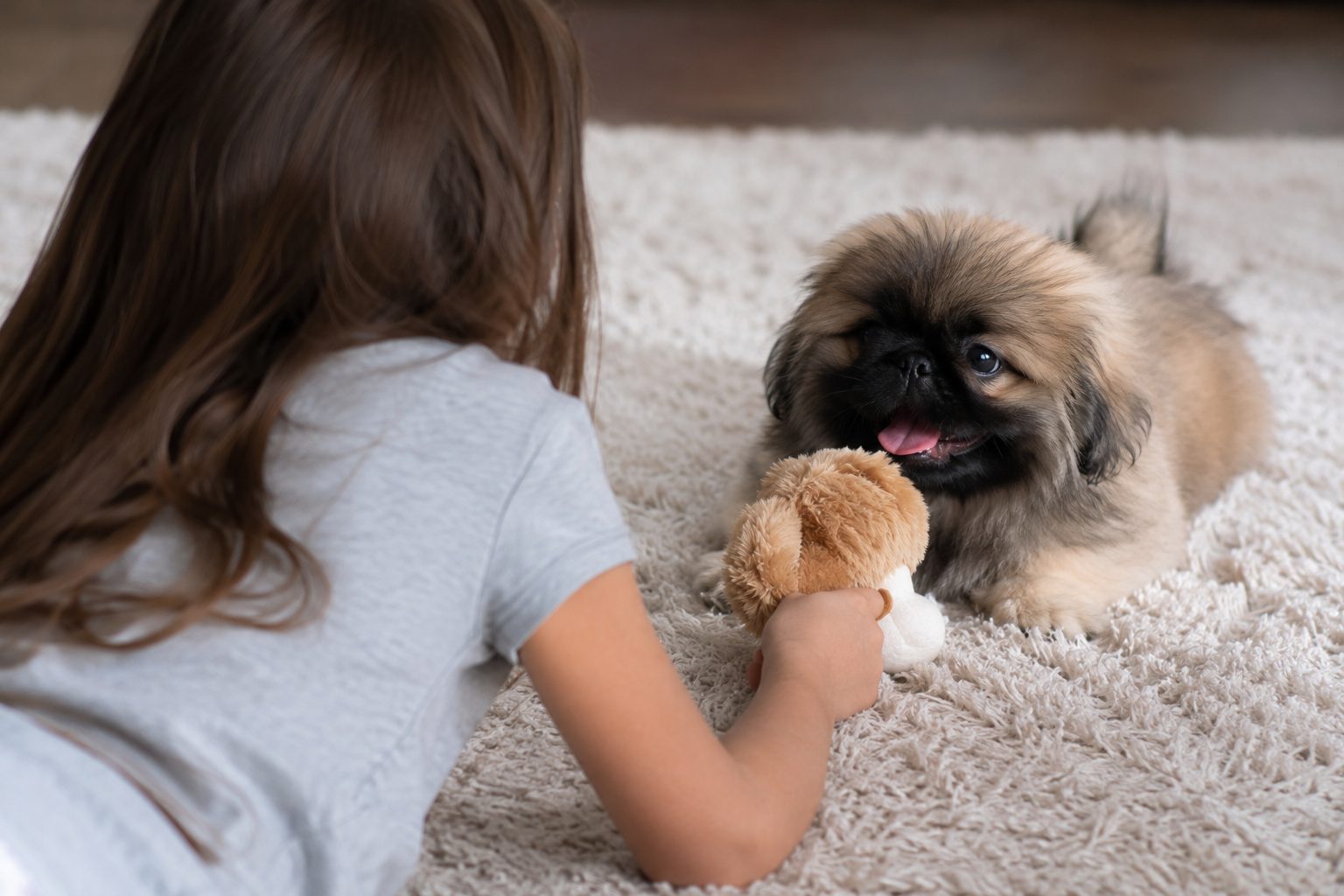
Pekingese can make wonderful family pets, but like any dog, they thrive when children understand how to interact with them safely and respectfully. Because Pekingese are compact dogs with sturdy but relatively delicate bodies, they generally do best with calm, gentle children who know how to handle pets kindly. A respectful relationship helps both the dog and the child feel safe, comfortable, and happy.
Understanding the Pekingese Personality
Pekingese are affectionate companions who enjoy spending time near their families. Unlike some highly energetic breeds, they are usually content with short walks, indoor play, and relaxing beside their favorite humans. They often form strong attachments to family members and may enjoy being involved in daily activities.
However, Pekingese are also independent thinkers. They may not appreciate rough handling, excessive hugging, or being picked up unexpectedly. Teaching children to recognize when a dog wants space is one of the most important lessons for creating a peaceful household.
Safe Play for Children and Pekingese
The best games for Pekingese are gentle and low-impact. Children can enjoy activities such as:
- Rolling a soft ball across the floor
- Teaching simple tricks with adult supervision
- Playing hide-and-seek with treats or toys
- Taking short family walks
- Reading stories while the dog relaxes nearby
Rough games such as wrestling, chasing, pulling ears or tails, or jumping on furniture with the dog should always be avoided. These activities can cause stress or accidental injuries for both children and pets.
Adults should supervise interactions, especially when young children are involved. Even the friendliest dog may become uncomfortable if startled, frightened, or handled too roughly.
Age-Appropriate Interactions
Toddlers (Ages 1–3)
Toddlers are still learning how to be gentle. They may grab fur, poke eyes, or accidentally fall on a dog. Close adult supervision is essential. During this stage, children can learn simple lessons such as using soft hands and respecting the dog’s personal space.
Young Children (Ages 4–7)
Children in this age group can begin helping with simple pet care tasks like filling a water bowl or tossing a toy during playtime. They can also learn important rules, such as never disturbing a dog while it is eating, sleeping, or resting.
Older Children (Ages 8 and Up)
Older children can participate more actively in training, grooming, and exercise. Many Pekingese enjoy learning simple commands and spending quality time with patient young handlers. This age group is often best suited to understanding canine body language and respecting boundaries.
Teaching Respect Goes Both Ways
A successful relationship between children and dogs depends on mutual respect. Children should learn that dogs have feelings, preferences, and limits. Likewise, the Pekingese should be properly socialized and trained to feel comfortable around family members and visitors.
Signs that a Pekingese may need a break include:
- Walking away
- Hiding
- Growling
- Lip licking
- Yawning when not tired
- Turning its head away
When a dog shows these signals, children should give it space and allow it to relax.
Grooming Time Can Be Family Time
Pekingese are famous for their luxurious coats, which require regular brushing. Older children often enjoy helping with grooming under adult supervision. Grooming sessions provide a wonderful opportunity to teach responsibility while helping the dog stay comfortable and healthy.
Regular brushing also reduces tangles and allows family members to check for skin issues, debris, or other concerns that may need attention.
A Loyal Companion for the Right Family
Pekingese may have once lived in imperial palaces, but today they are happiest wherever their families are. Their affectionate nature, charming personalities, and manageable exercise needs make them excellent companions for many households. When children learn to treat them with kindness and respect, these little “lion dogs” often become devoted friends for years to come.
With patience, supervision, and plenty of gentle interaction, a Pekingese and a child can form a friendship fit for royalty.